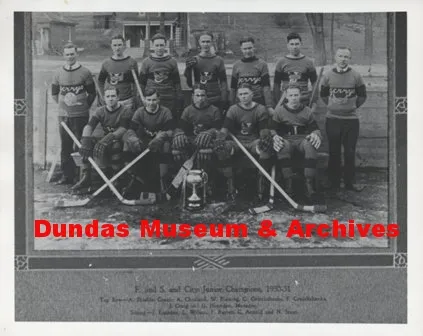
One Team, One Pitch, One Fight: Inside the Village Clubs Refusing to Fold
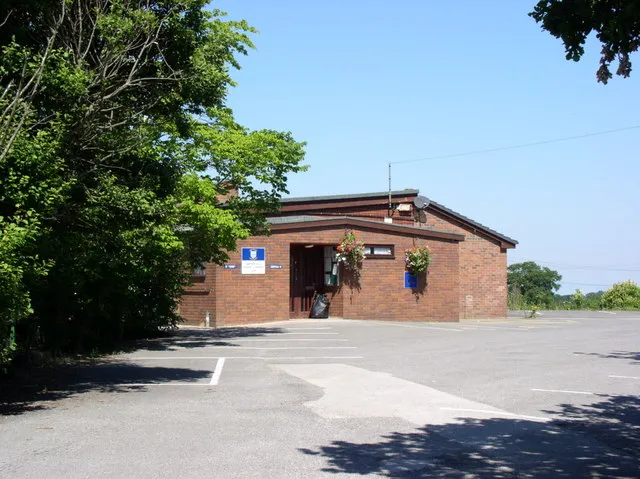
Photo: Eirian Evans, CC BY-SA 2.0, via Wikimedia Commons
The arithmetic of survival
On a grey Saturday afternoon in Shropshire, the takings from the tuck shop come to £14.60. For the hockey club that operates it — a single-team outfit drawing players from three surrounding villages — that figure matters. It covers a share of the match ball. It is, quite literally, the difference between a season and a shortfall.
Across England, hundreds of clubs operate at this scale: one team, no paid staff, and a committee of six or seven people who between them handle fixtures, fundraising, safeguarding and the eternal battle with the pitch booking system. Their finances are as fragile as they are fiercely guarded, and their story rarely makes the headlines that surround the professional game.
Where the money actually comes from
For the smallest clubs, income typically arrives through four channels, in roughly this order of reliability: annual subscriptions, England Hockey affiliation fees passed on at cost, bar and refreshment sales, and the unpredictable bounty of grant funding.
Subscriptions at village clubs rarely exceed £150 a season — a figure set deliberately low to keep the door open for local families. That means the gap between income and the real costs of pitch hire, insurance and equipment is bridged by ingenuity. Clubs negotiate floodlight-sharing arrangements with secondary schools, trading maintenance help for evening slots. Others run 100 Clubs — a monthly prize draw that reliably generates £50–£100. One Norfolk side raises close to £1,200 a year from a Christmas tree collection that has become a village institution.
The volunteers, of course, are unpaid. Committee members routinely estimate they give five to eight hours a week. Multiply that across a season and a single club absorbs several hundred hours of labour that, at minimum wage, would bankrupt it instantly.
When clubs come back
Comebacks do happen. A club in the East Riding lost its pitch to a school expansion in 2019 and, rather than fold, spent two seasons playing 'home' fixtures twenty miles away while fundraising for a new sand-based surface at a sports ground that had never hosted hockey. They now run two senior teams and a junior section.
Elsewhere, a Devon club on the verge of dissolution rebuilt itself around a junior programme — recruiting parents as coaches and players simultaneously. Within three seasons, the senior side had a full squad for the first time in a decade.
A survival checklist for clubs at risk
Committees worried about the future should work through the following:
- Map your true costs. Include depreciation on equipment and the committee's time, not just pitch hire.
- Diversify income. No single stream should account for more than 60% of turnover.
- Build a reserve. One season's affiliation fees in the bank buys breathing space in a crisis.
- Know your local grants. County sports partnerships, parish councils and the Football Foundation's neighbour schemes all fund hockey-adjacent projects.
- Recruit beyond the pitch. Ask parents, sponsors and former players for skills — accountancy, grant writing, ground maintenance — not just playing time.
- Document everything. When a founder member steps down, an organised handover file is often what prevents collapse.
- Talk to the school. Shared facilities agreements with local schools remain the single most common survival mechanism for small clubs.
Why it matters
The pathway to regional and national hockey runs through exactly these clubs. Every England international once played on a pitch like this, supervised by a volunteer who also ran the tuck shop. If the smallest clubs fold, the base of the pyramid narrows — and no amount of investment at the top replaces it.
For now, the tuck shop takings keep arriving. The lights stay on. And on Sunday mornings across England, the smallest clubs in the game keep turning up.