Alone Between the Posts: England's Club Goalkeepers and the Price of the Toughest Job in Hockey
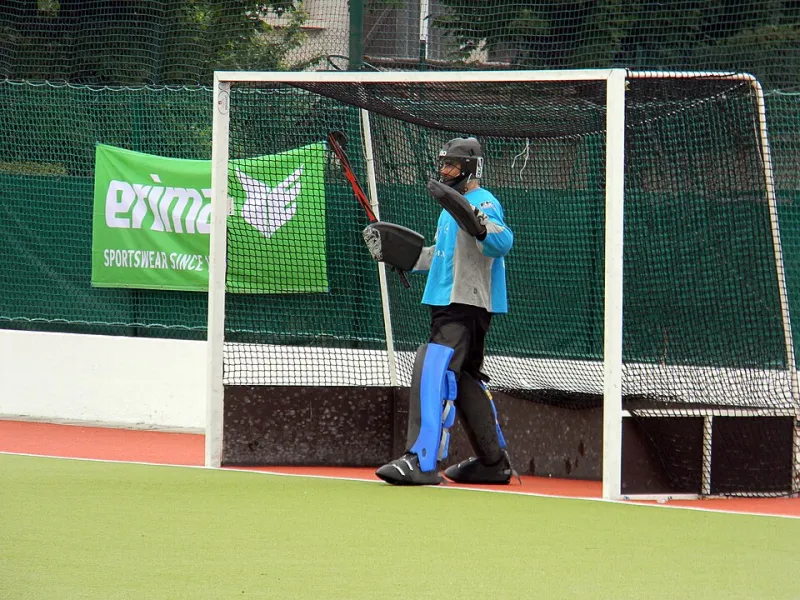
Photo: This picture belongs to Xavier Caré. Please credit : Xavier Caré / Wikimedia Commons / CC-BY-SA. If you would like special permission to use, license, or purchase the image please contact me to negotiate terms. I'd appreciate if you could let me kn
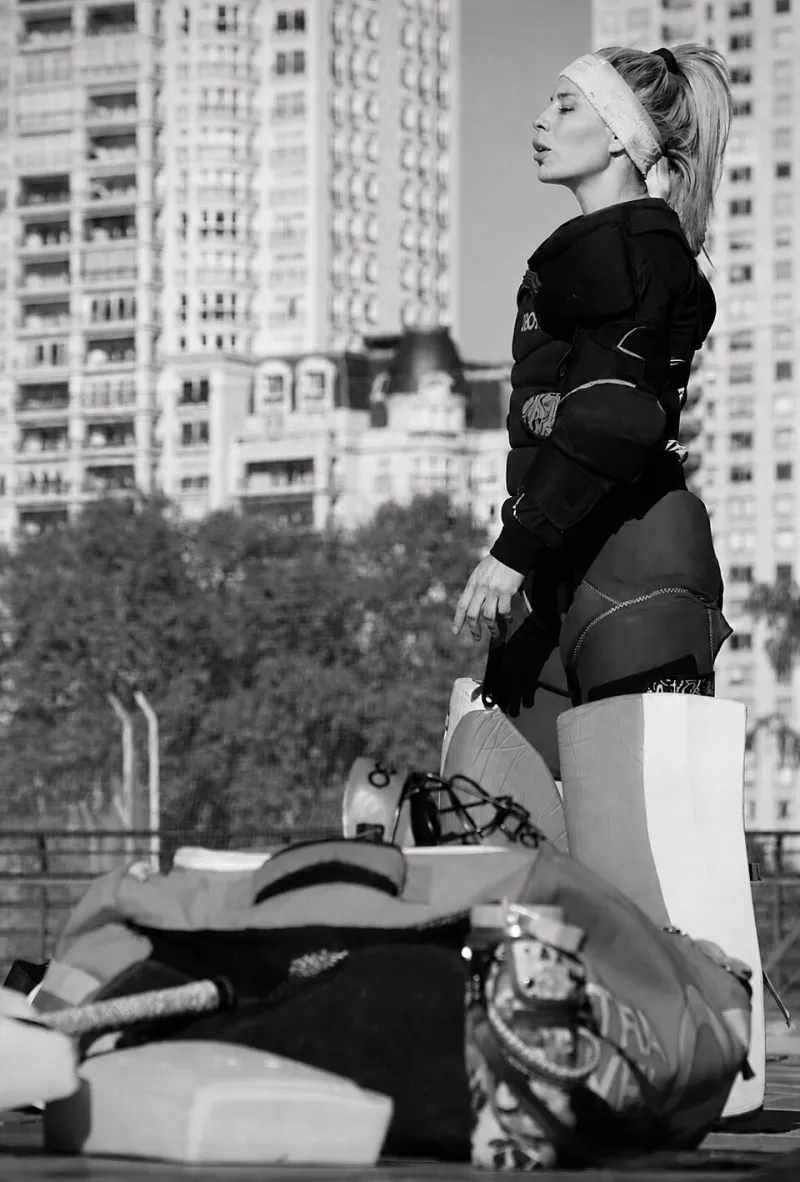
Every hockey club in England knows the moment. A Saturday afternoon in November, drizzle drifting across the astroturf, and eleven players pulling on their shirts while one person wrestles with legguards, kickers, a helmet, a chest guard and a set of padded shorts that cost more than most players' annual subs.
The goalkeeper is the only member of the side who cannot hide. There is no rotation, no substitution to share the load, no teammate to blame. And at club level, that burden falls overwhelmingly on volunteers — people who pay for the privilege of being shot at from eight yards.
The Kit Bill Nobody Mentions
Ask any club treasurer and they will tell you: goalkeeping equipment is the single largest recurring cost in amateur hockey. A competitive starter set — helmet, body armour, hand protectors, legguards, kickers, stick and padded shorts — routinely runs past £400 second-hand, and well over £1,000 new. Unlike football, where clubs supply gloves, hockey keepers at most community clubs are expected to source much of their own protection.
"I spent two winters playing in a hand-me-down set from 2009," says a keeper at a Midlands regional league club, who asked not to be named. "The legguards were held together with tape. You don't complain, because you know the club hasn't got the money. But it does make you wonder why you're the only one on the pitch who bought their own armour."
Some clubs have begun ring-fencing a goalkeeping budget or applying for facility and equipment grants, but provision remains patchy. England Hockey's club development materials encourage shared kit schemes, yet in practice the burden still falls on individuals — often juniors' parents.
The Psychology of Standing Alone
The mental demands of the position are unlike any other on the pitch. Outfield players can recycle possession, make a run, forget a mistake. A goalkeeper who concedes must turn around, collect the ball from the net and prepare for the next attack within seconds.
"You learn to reset in about four seconds," explains a veteran keeper with more than fifteen seasons in the North West leagues. "Because if you're still thinking about the last goal, you'll let two more in. That's a skill nobody coaches you formally — you either develop it or you burn out."
Coaching bodies have long recognised that goalkeeping requires specialist support, yet at grassroots level structured goalkeeper coaching remains rare. Many keepers are self-taught, picking up technique from online footage and the occasional county session. For a position where confidence is everything, that lack of investment is a quiet crisis.
The Recruitment Problem
Clubs struggling for keepers is one of amateur hockey's open secrets. Nobody grows up dreaming of it in the way children dream of scoring. Most keepers fall into the role — a junior too short for the outfield side, a parent roped in, a player returning from injury.
The result is predictable: clubs with no keeper for the second XI, borrowed keepers playing against their own teams, and outfield players pulled into pads they've never worn.
There are solutions, and some clubs are proving it. Rotating a junior keeper through senior matches builds experience and numbers. Subsidising kit for keepers — even partially — signals that the role is valued. And simply saying thank you matters more than most committees realise.
What Clubs Can Do This Season
The steps are neither complicated nor expensive:
- Fund the kit. A shared club budget or sponsorship deal covering even half of a keeper's equipment removes the biggest barrier to entry.
- Buy coaching time. One dedicated goalkeeper session a month, even from a visiting specialist, transforms technique and retention.
- Recruit deliberately. Ask juniors at the start of each season. Frame it as a specialist role with its own identity, not a punishment.
- Celebrate publicly. Match reports, club social media and end-of-season awards should name keepers as often as top scorers.
The goalkeeper will never be hockey's glamour position. But every club that has ever won a shoot-out knows the truth: the loneliest player on the pitch is often the most important one. It is time English hockey treated them accordingly.