When the Diary Decides the Season: How England's Clubs Are Fighting for Every Slot on the Pitch
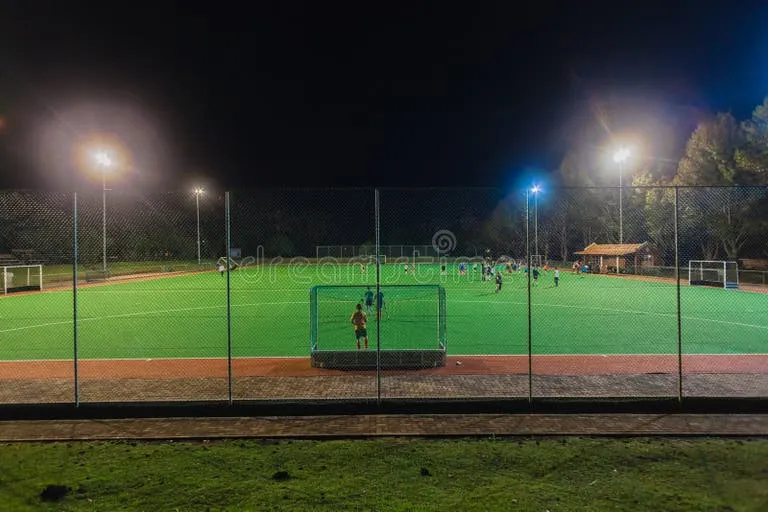
Photo: floodlit astroturf hockey pitch evening players, via thumbs.dreamstime.com
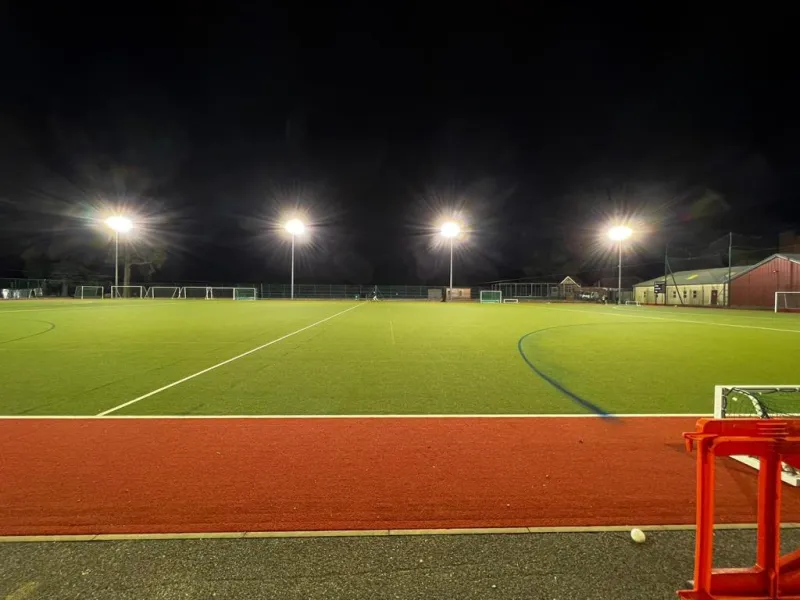
At 9.45pm on a Tuesday evening, the floodlights at a school pitch in the Home Counties snap off mid-drill. The club's third team captain checks her watch, gathers the bibs, and ushers sixteen players off the astroturf. Tomorrow night belongs to the under-14s — and so do Thursday, and Saturday morning, and most of the hours in between.
Scenes like this are playing out at clubs across England every week. It is not a crisis of enthusiasm; participation is, by most accounts, thriving. It is a crisis of asphalt, sand-dressing and water. Quite simply, England has more hockey than it has pitches to play it on.
The Arithmetic Doesn't Add Up
Speak to enough club volunteers and a pattern emerges. Junior sections, buoyed by the sport's growing profile and the success of the national teams, have doubled or even tripled in a decade. Meanwhile, the adult membership — the people who fund the club, run the teas and staff the committee — still expect their traditional Saturday and midweek slots.
The result is a scheduling puzzle worthy of a chess grandmaster. A typical club sharing a single water-based pitch with a school might have access to perhaps twelve hours of usable time per week. Once you subtract school curriculum use, maintenance windows and the inevitable cancelled slot, the remainder must stretch across four or five adult sides, eight junior age groups, goalkeeper coaching, and a walking hockey session for the over-60s.
"We've got a waiting list for the junior section and a waiting list for pitch time," one club secretary in the Midlands told us. "The irony isn't lost on anyone."
Schools Hold the Keys
Much of England's hockey stock sits behind school gates — a legacy of decades of partnership between clubs and the education sector. Site managers, often unsung figures in this story, describe a delicate balancing act between protecting the surface for pupils, honouring community agreements, and managing wear on surfaces that cost hundreds of thousands of pounds to replace.
Several schools have moved to formal licensing arrangements, with councils increasingly involved in brokering access. In some areas, dual-use agreements written in the 1980s are being renegotiated for an era when demand has outstripped anyone's expectations. The terms of those agreements — who pays for wear, who gets priority in the run-up to exams, who switches the lights off — can determine whether a club grows or stands still.
Creative Solutions, Unofficial and Otherwise
Necessity, as ever, is the mother of invention. Clubs are experimenting with approaches that would have seemed alien a generation ago:
- Split sessions. Two teams sharing one slot, with 40 minutes each and a strict handover. Not ideal for match practice, workable for drills.
- Shifting kick-offs. Some leagues now see adult fixtures starting at 10am or 4.30pm purely to fit around junior commitments.
- Off-site borrowing. Clubs hiring pitches 20 or 30 miles away for a single session a week — a logistical headache, but often cheaper than the alternative.
- Sand-based pragmatism. Where water pitches are unavailable, clubs are returning to older sand-dressed surfaces and adjusting coaching accordingly.
- Seasonal rotation. Junior and adult priorities swapping between the first and second half of the season, spreading the pain evenly.
None of these are perfect. All of them are better than turning players away.
What the National Picture Promises
England Hockey's facility strategy has, for several years, recognised the scale of the challenge. The ambition to protect and grow the number of pitches suitable for hockey — and to secure community access to school and council facilities — is the right one. The question, as always, is pace. Surface replacement runs into six figures per pitch, and local authority capital budgets are stretched thinner than a well-worn astroturf.
For the average Saturday side, the practical message is this: engage early. Clubs that have formalised relationships with schools, contributed to surface maintenance costs, and volunteered as good custodians of shared facilities consistently report better access than those that treat the pitch as a given.
The two-ball problem — too many players, too few pitches — will not be solved by a single strategy document. It will be solved in parish council meetings, in site managers' offices, and in the patient, unglamorous work of club volunteers negotiating one more hour on a Tuesday night. The sport's future may well depend on it.