Before the First Whistle: The Volunteer Grounds Crews Keeping England's Pitches Playable This Winter

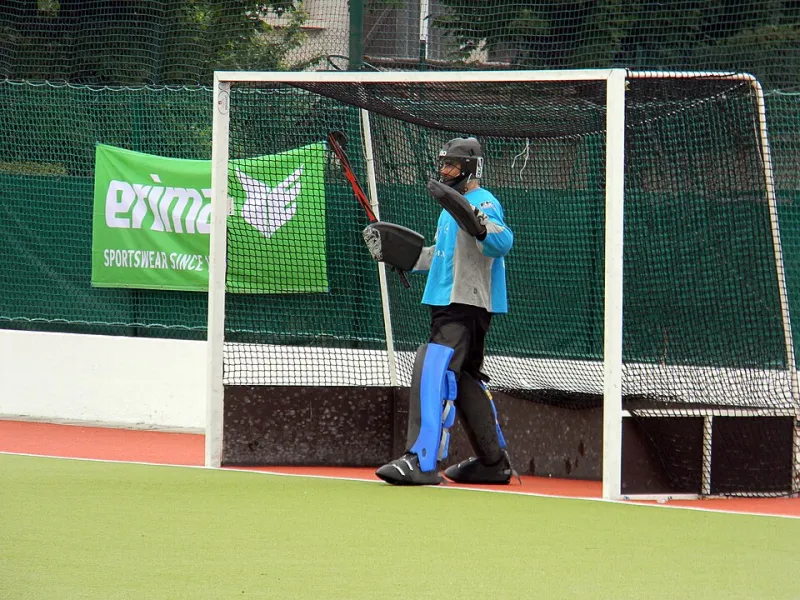
Photo: Ahmet Özkan, CC BY 4.0, via Wikimedia Commons
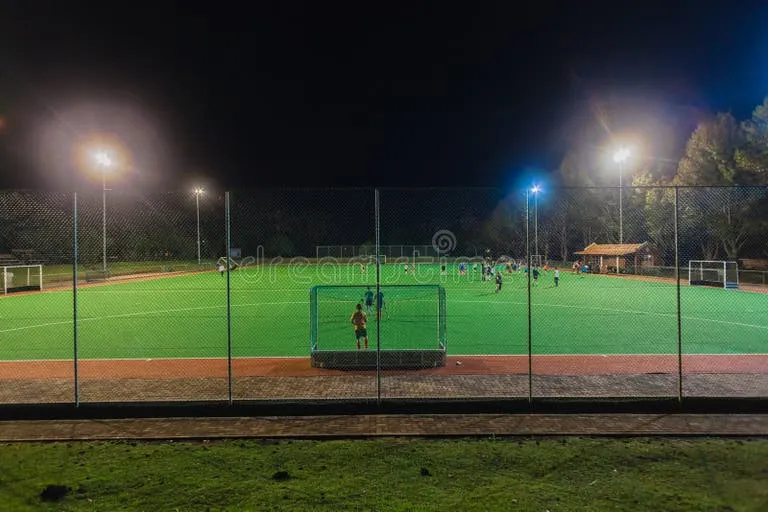
The floodlights at Alderley Edge Hockey Club flicker on at 6.15am on a December Saturday, but nobody is training. Instead, two figures in thermals and head torches are pacing the perimeter of the sand-dressed pitch, dragging a brush behind a tractor and chipping away at the frost that settled overnight.
By 8am, the surface is playable. By 9am, the volunteers have melted back into their day jobs. Most of the club's playing membership will never know how close the fixture came to being called off.
The Unseen Shift
Pitch maintenance in English hockey is a job performed largely in the dark, largely for free, and largely unnoticed. At clubs across the country, from the Home Counties to the North West, it falls to a small band of volunteers — often former players, often retired, often carrying decades of club history in their heads rather than any formal qualification.
Their tools are modest. A roll-on brush. A supply of sand for topping worn circles around the goals. A set of frost covers that cost several hundred pounds each and must be laid and lifted by hand. And increasingly, a spreadsheet, because the arithmetic of keeping an artificial surface alive has never been harder.
The Rising Cost of Green
The economics are unforgiving. Water rates for irrigating a sand-based pitch have climbed sharply. Brushing machinery, shared between clubs or hired from county associations, requires servicing and storage. Sand dressing — essential to prevent the surface from compacting and becoming dangerous — now runs into four figures per treatment.
For clubs with their own facility, these costs land squarely on membership fees and bar takings. For those renting school or leisure centre pitches, the pressure is passed down as rising hourly hire charges, which in turn squeeze junior sections and second XIs first.
When the Pitch Goes
The consequences of losing a surface can be existential. Clubs that have been displaced by school redevelopment or pitch resurfacing speak of a season spent chasing away fixtures, training in fragments, and watching junior numbers drop as parents weigh up the travel.
The lesson, veterans of these disputes say, is that a pitch is not infrastructure — it is the club itself. Lose it, and everything built on top of it, from the Saturday sides to the county pathway sessions, wobbles.
Passing On the Craft
There is, however, quiet optimism. Regional pitch forums, often hosted by county hockey associations, have begun pairing experienced grounds volunteers with newcomers, passing on hard-won knowledge about drainage, brushing schedules and the fine art of negotiating with a school's bursar.
England Hockey's facilities guidance has also sharpened in recent years, giving volunteers clearer benchmarks for surface testing and safety standards.
The craft, it seems, is being handed down — one early morning, one frost cover, one carefully rationed roll-on at a time. And as long as fixtures kick off at 10am, there will be someone there at half six to make sure they can.